
The Making of a Mona Lisa Hologram

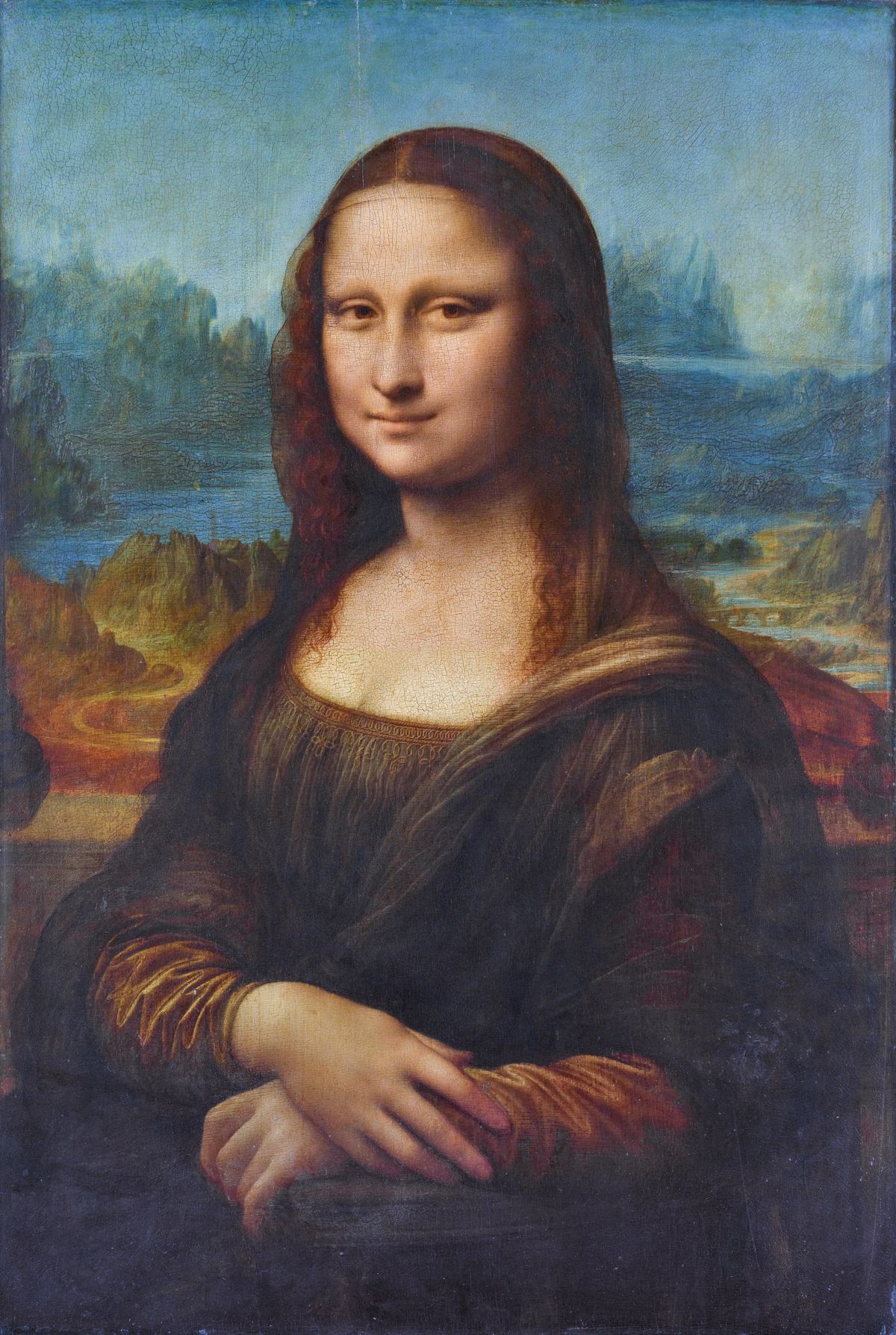
Leonardo da Vinci’s portrait of the Mona Lisa is one of the most readily recognisable works in western art. A group of research institutes 1 have now collaborated to develop an acoustic metasurface-based holography technique that uses a deep learning algorithm to generate and iteratively improve a hologram of the portrait.
‘A metasurface-based hologram works by precisely controlling the phase and amplitude of the waves interacting with the metasurface’, said researcher Yue-Sheng Wang. ‘As a result, the outgoing waves at each pixel exhibit a certain amplitude and phase, which results in the desired holographic image based on their interference.’
The team wanted to develop a metasurface holography optimisation method to enhance efficiency and precision. They used a deep neural network-based algorithm to customise the structures within their metasurface. By iteratively reducing inconsistencies between the original and holographic image, they tweaked the metasurface and created a high-quality hologram.
Subscriber content
Read the full article
Full access to Holography & Optical Technology News articles, newsletters and archives.