Holography Gives New Depth to Fingerprint Analysis

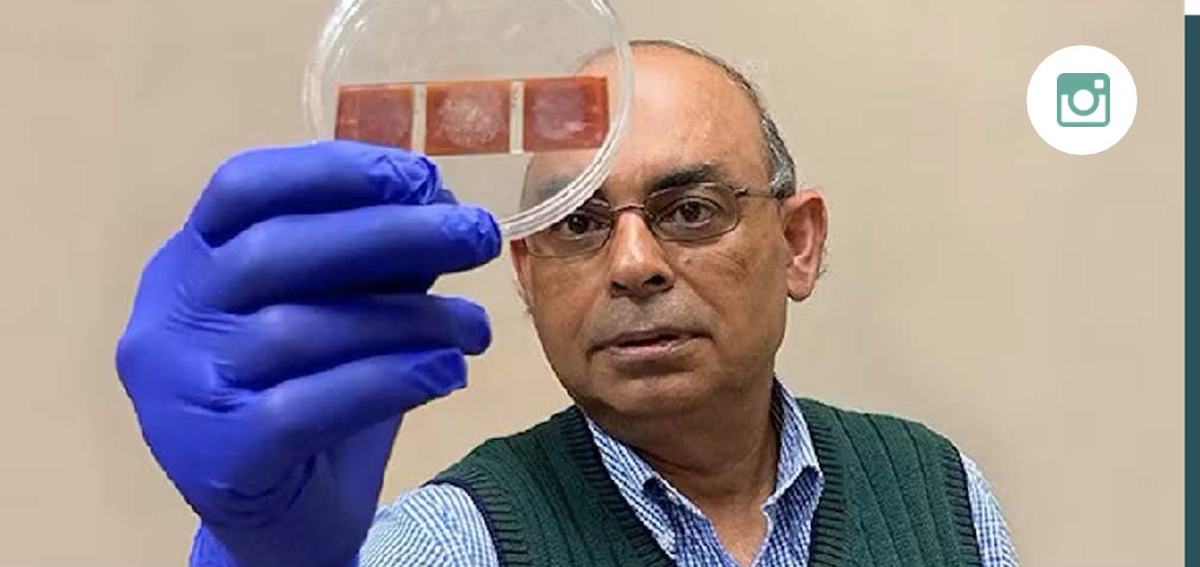
In a ground-breaking departure from conventional fingerprint analysis, recent research introduces a shift in thinking through the collaboration between Penn State and Prof Partha Banerjee of the University of Dayton. This innovative approach leverages advanced holographic techniques, steering away from the traditional reliance on print minutiae and emphasizing ridge orientation. Unconventional markers like curvature and swirl angles are explored, prompting fundamental questions about the nature of fingerprints.
The potential impact on forensic investigations could be significant. According to the developers, the holographic approach, if proven effective, could revolutionise the connection of latent prints from different crime scenes, presenting an alternative to minutiae-based matching and potentially transforming the field of forensic science.
The collaborative effort introduces a novel perspective to fingerprint analysis through advances in 3D holographic techniques. Fingerprints are made up of tiny ridges of oil from your skin. Each ridge is only a few microns tall, or a few hundredths of the thickness of human hair. Traditional approaches often capture fingerprints as 2D images, lacking the depth required for comprehensive spatial analysis. However, this collaboration introduces a revolutionary technique involving nanoscale columnar thin films (CTF) and digital holography to map and visualise fingerprints in three dimensions.
Subscriber content
Read the full article
Full access to Holography & Optical Technology News articles, newsletters and archives.